RFID Tags
RFID, or Radio Frequency Identification, is a wireless technology that uses radio waves to identify and track objects without direct contact or line of sight. An RFID system typically includes a tag, reader, and antenna — working together to capture and transmit data in real time.
Unlike barcodes, RFID tags can be read automatically and simultaneously, even in harsh environments. That’s why RFID is transforming workflows in industries like manufacturing, logistics, healthcare, and retail.
Identify how RFID works, the components involved, and how to choose the right tags for your application.
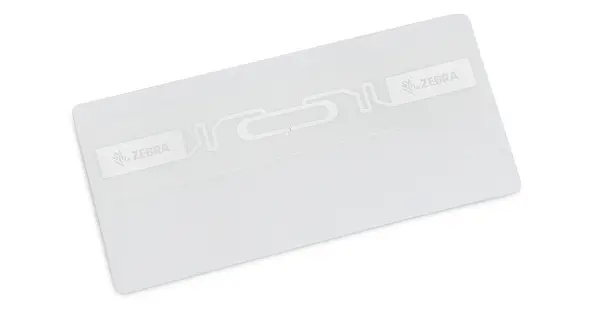
What Is an RFID Tag?
RFID (Radio Frequency Identification) tags are smart labels that wirelessly transmit data to RFID readers. Each tag contains two main components:
An antenna that receives energy from the reader
A microchip (IC) that stores item-specific data
These tags are applied to items so they can be identified, tracked, or verified in real-time using RFID readers and antennas. Most RFID tags are passive, meaning they don’t use a battery—they’re powered by the signal from the reader itself.
How RFID Tags Work
When an RFID reader sends out radio waves, the tag’s antenna captures that energy to power its chip. The chip then sends stored data—like an item ID—back to the reader. This makes tracking faster, more accurate, and fully automated compared to manual barcoding.
Each RFID tag typically has four memory banks:
EPC (Electronic Product Code): Customizable for item identification
TID (Tag ID): Factory-set, unique identifier (read-only)
User: Additional programmable data
Reserved: Used for security features like locking
What Makes Up an RFID System?
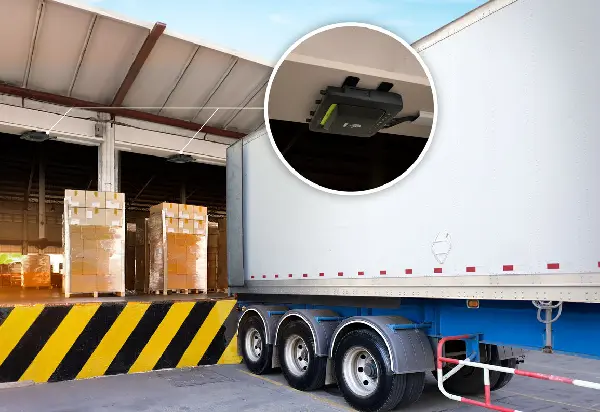
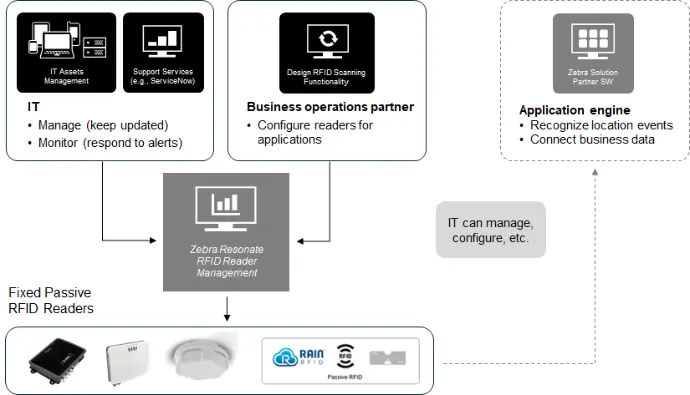
An RFID system typically includes four core components:
Reader – Sends and receives radio signals to communicate with tags
Antenna – Transmits the reader’s signals to the tag and receives responses
Tags – Store item data and transmit it when powered by a reader
Cables – Connect and power the system's components
Some systems, like handheld or USB RFID readers, combine the reader, antenna, and cabling into a single integrated device — making them ideal for mobile or simplified use cases.
More advanced setups may include multi-port readers, antenna hubs, GPIO boxes, stack lights, multiple antennas, and a full software platform to manage and analyze the collected data.
How Much Do RFID Tags Cost?
RFID tag pricing varies by type, quantity, and features:
Inlays: $0.09 – $1.75 each
Hard Tags: $1.00 – $20.00+
More rugged or high-memory tags may cost more. For the best results, it's essential to match the tag to your specific application and test in your actual environment.

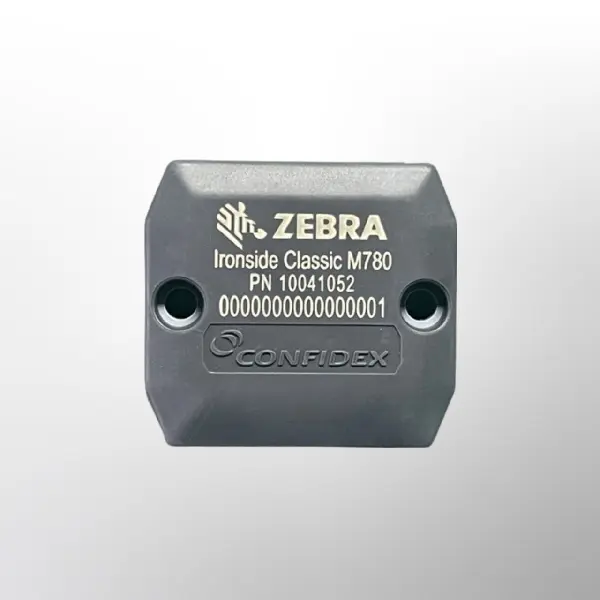
How to Choose the Right RFID Tag
When selecting an RFID tag, ask:
What surface are you tagging (metal, plastic, wood, etc.)?
What read range do you need?
Any size or shape constraints?
Will it face heat, cold, chemicals, or moisture?
How will it be attached (adhesive, screws, epoxy)?
Ambertek can help you narrow down the right RFID tag with custom sample packs and testing support tailored to your needs.